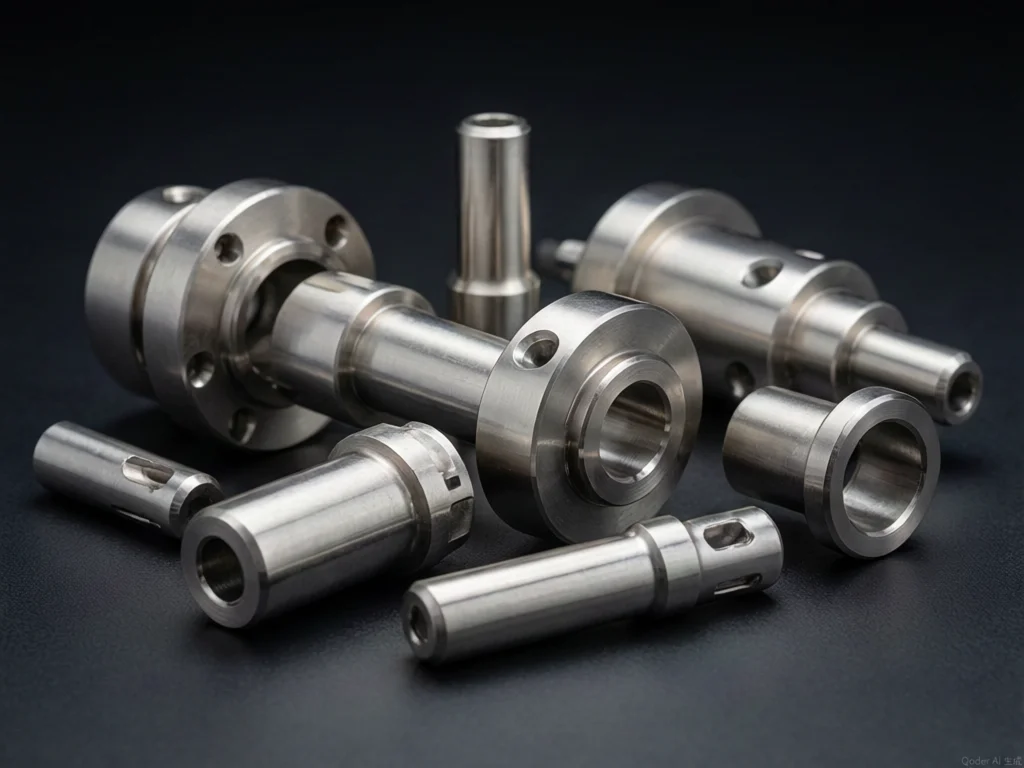
From EMI-shielded housings to radar-grade antenna mounts, we machine the critical electronic infrastructure that keeps aircraft connected, guided, and safe. Delivered with full traceability and AS9100D certification.
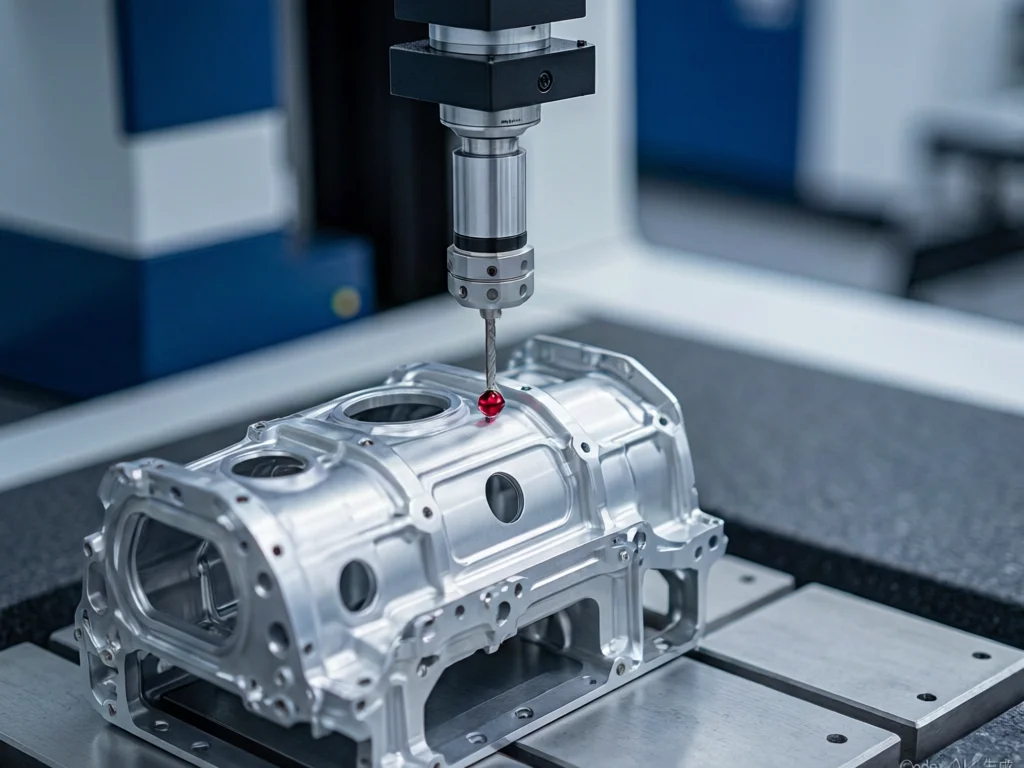
HEXAGON CMM · 4 μm ACCURACY
According to our CNC machining knowledge base, aerospace CNC machining is a subtractive manufacturing process that produces aircraft components using computer-controlled cutting tools, with tolerances as tight as 0.002mm and zero margin for error. When your flight-critical computer housing must survive 50,000 pressurization cycles, or your guidance system enclosure must maintain signal integrity across −55°C to +125°C, every micron matters.
We do not just machine avionics parts. We engineer them: selecting alloys like 7075-T6 and Ti-6Al-4V for their strength-to-weight ratio, programming 5-axis toolpaths that preserve critical dimensions, and validating every surface finish against aerospace-grade CMM protocols.
Start Your Avionics Project →Each part ships with material pedigree, FAI documentation, and CoC.
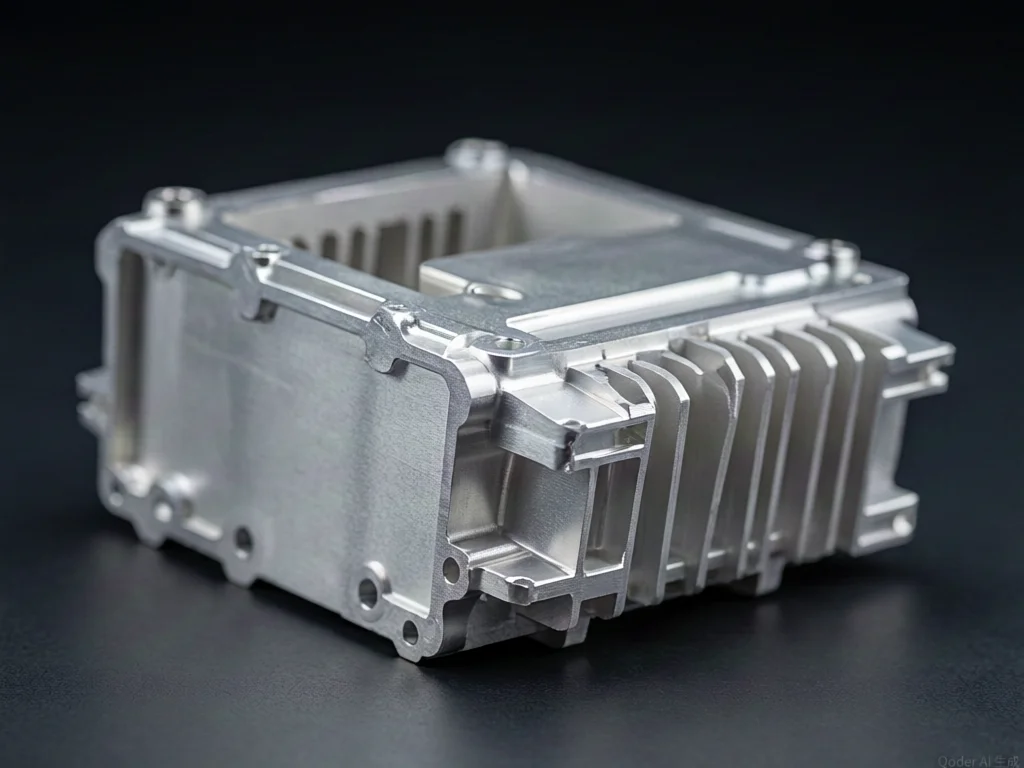
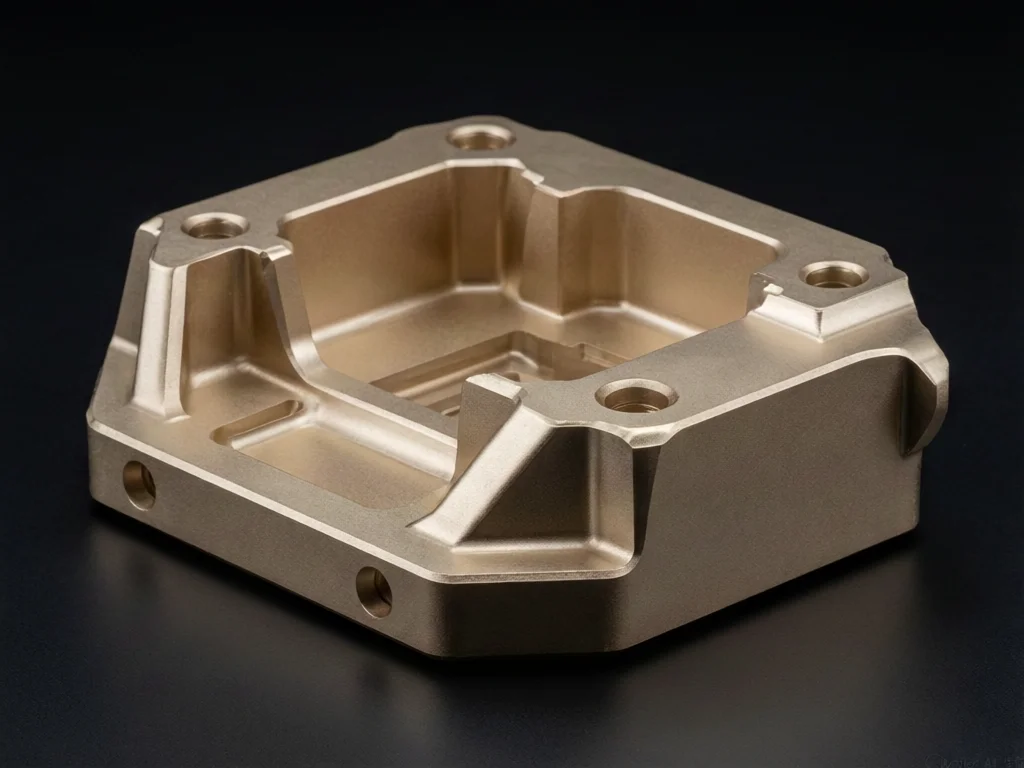
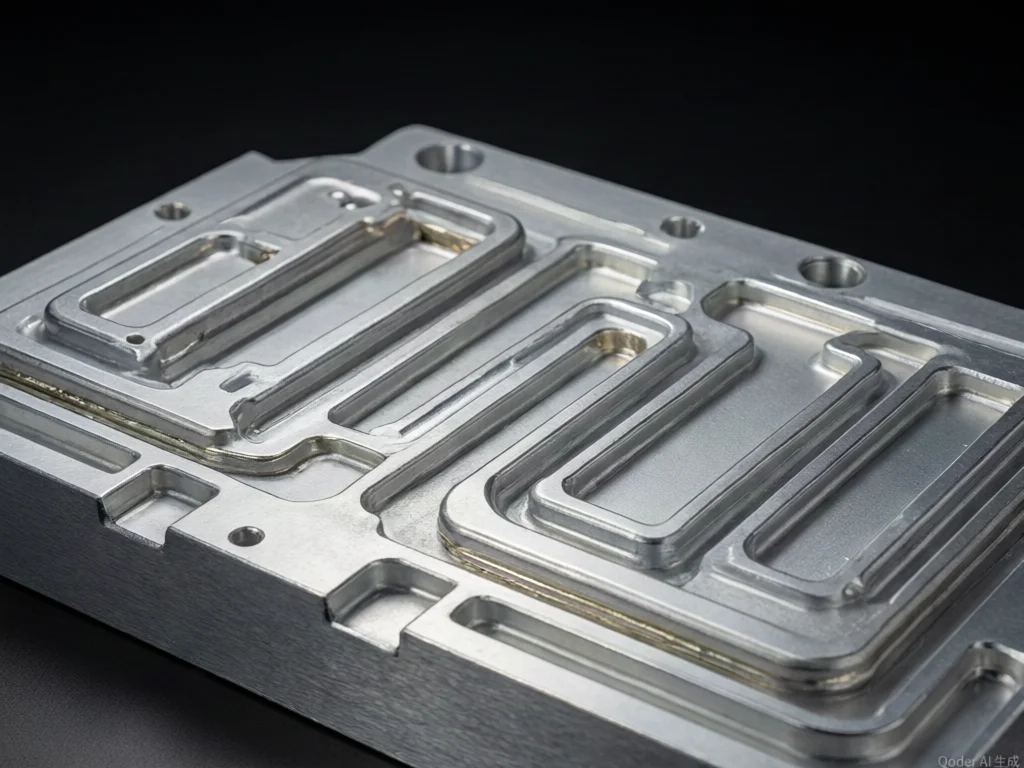
The housing is the first line of defense for your flight-critical electronics. We machine these from 7075-T6 aluminum forgings that deliver a tensile strength of 83 ksi with excellent fatigue resistance.
Quote Housing Program →
Inertial navigation and GPS guidance units demand enclosures that eliminate thermal drift while surviving high-g vibration profiles. Our 5-axis simultaneous machining handles complex internal pocket geometries in a single setup.
Request Enclosure Machining →
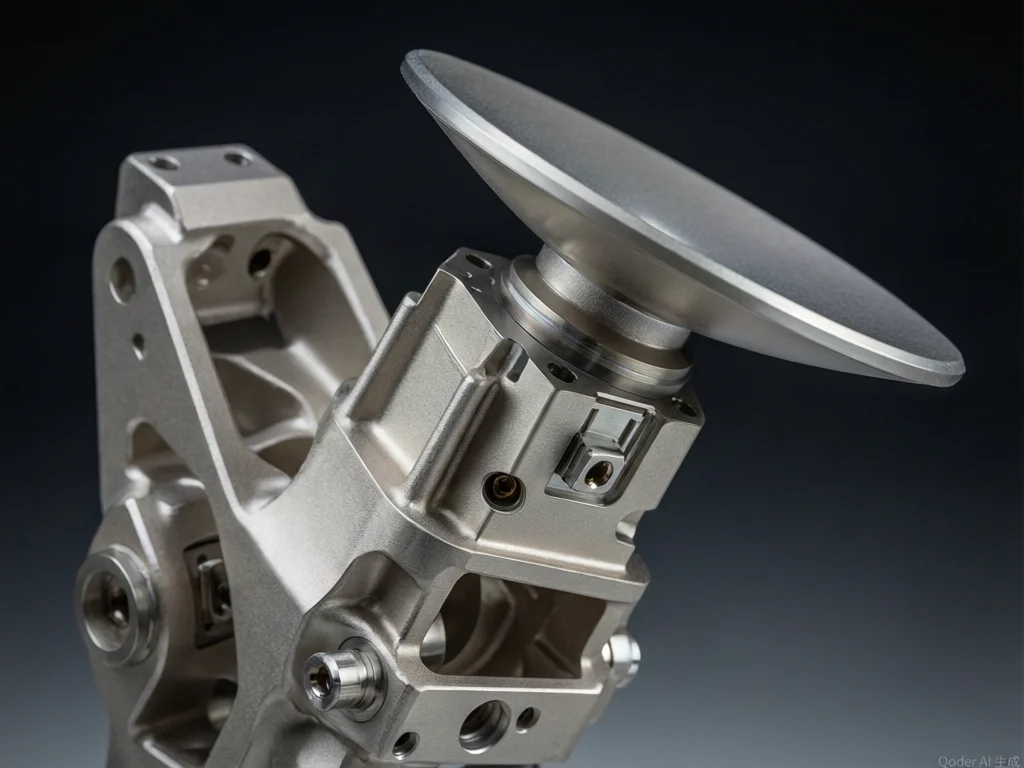
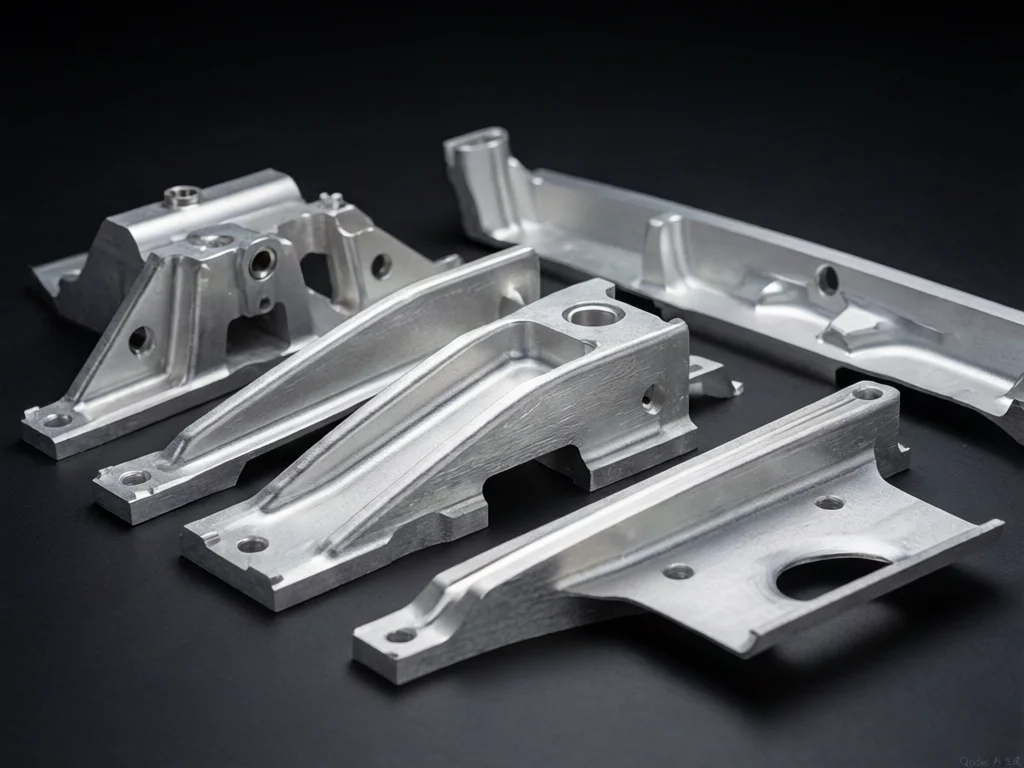
Antenna mounts must maintain precise electrical grounding while surviving lightning-strike current paths. We machine these from Ti-6Al-4V titanium—50% lighter and 30% stronger than steel.
Quote Antenna Mount Program →
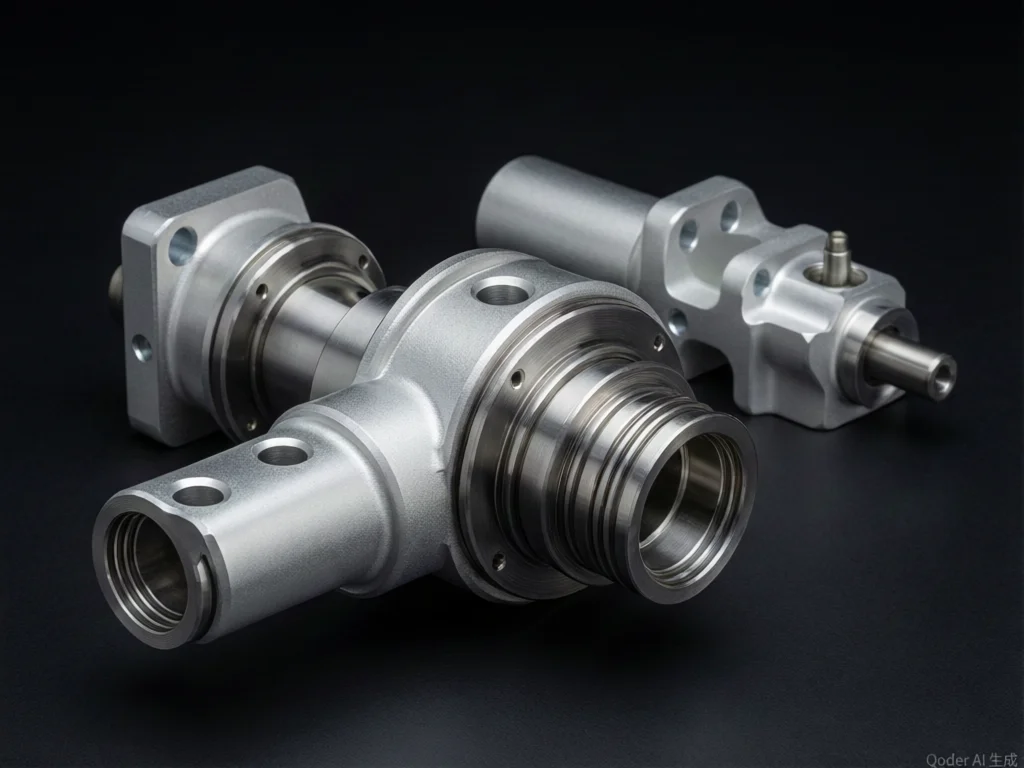
Pitot-static probes, angle-of-attack sensors, and temperature probes all rely on brackets that maintain calibrated alignment under aerodynamic load. Our CNC turning and milling centers produce these with concentricity controlled to ±0.002mm.
Get Sensor Bracket Quote →
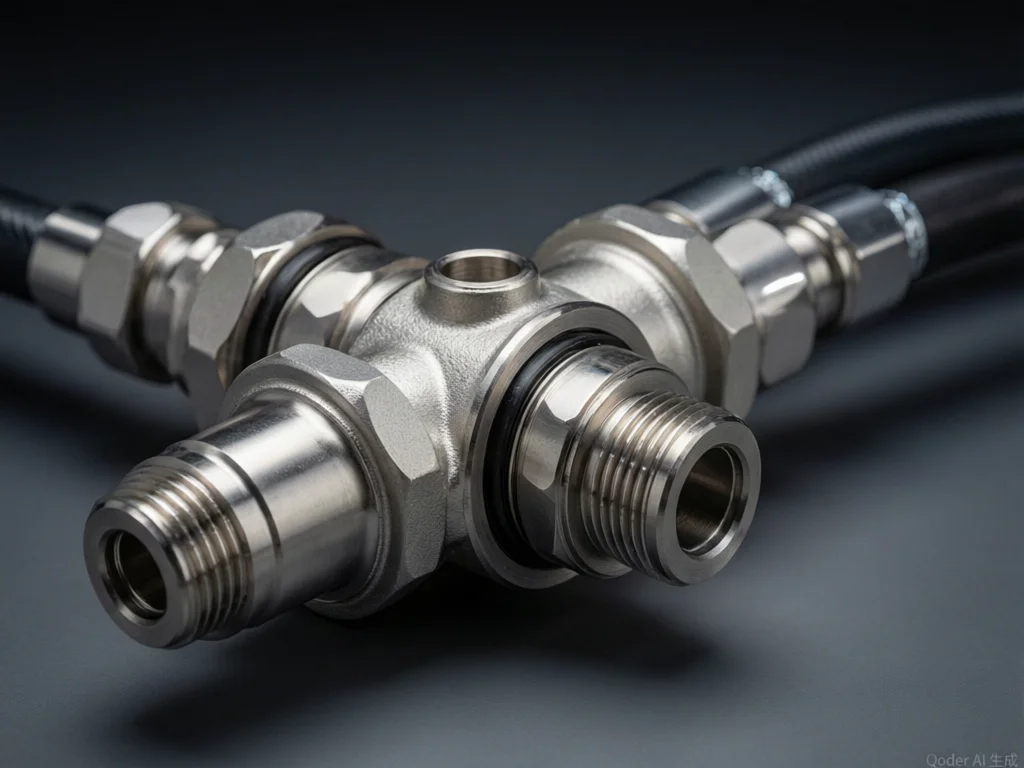
Backshells protect connector terminations from vibration, moisture, and EMI. We machine these from 6061-T6 aluminum with thin-wall sections to 1.0mm and precision threads to Class 2B/3B standards.
Quote Backshell Program →
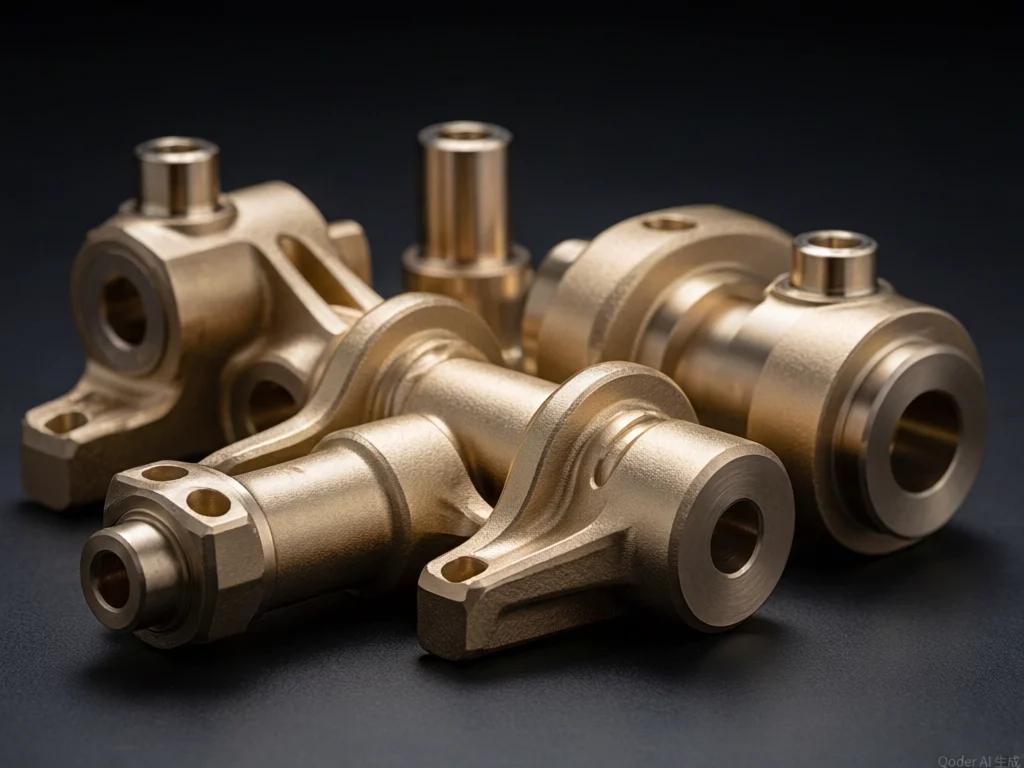
High-Intensity Radiated Field (HIRF) protection requires conductive shields with labyrinth sealing and finger-stock interfaces. We machine these from aluminum or beryllium copper with wall thicknesses as low as 0.5mm.
Start Shielding Project →Every Alloy From Aerospace-Certified Mills
According to our CNC machining knowledge base, common aerospace materials include lightweight metals such as titanium alloys—50% lighter and 30% stronger than steel—and high-performance plastics including PEEK and polycarbonate.
83 ksi UTS, excellent fatigue resistance. The standard for avionics housings and brackets with full MTR at receipt.
Explore Material →
Superior corrosion resistance and biocompatibility, 30% stronger than steel, 50% lighter—ideal for structural lugs.
Explore Material →
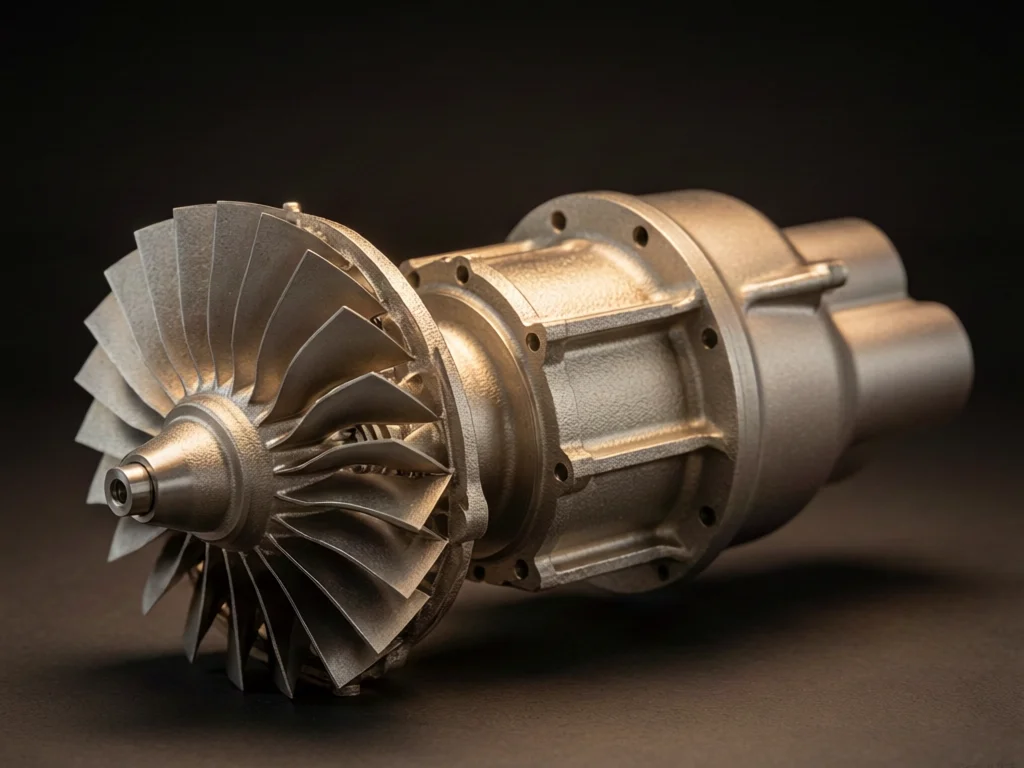
Retaining strength to 650°C. For engine-adjacent sensors and exhaust-zone electronics where thermal creep is a concern.
Explore Material →
Dielectric strength and chemical resistance. For insulating bushings, isolators, and non-conductive spacers.
Explore Material →Advanced processes, rigorous inspection, and aerospace-grade quality at every step.
Complex internal pockets and compound-angle mounting feet machined in a single setup. Eliminates accumulated error.
Learn More →Hexagon CMM with 4μm accuracy. Every part receives geometric verification with scan density exceeding 300 points/cm².
View Protocol →Integrated heatsink fins, thermal vias, and cooling channels machined to ±0.05mm pitch for high-power avionics.
Discuss Thermal Design →All finishes coordinated through AS9100D-certified subcontractors and verified on the CoC.
We regularly machine coaxial adapters, fiber-optic connectors, cooling plates, and bus-bar assemblies for commercial and defense avionics programs. Send us your drawing—our engineers will respond within 4 hours.
Submit Your Drawing →According to our CNC machining knowledge base, aerospace CNC machining achieves tolerances as tight as 0.002mm. For avionics housings, we routinely hold sealing-surface flatness to ±0.002mm, threaded bores to UNF-3B, and positional tolerances to ±0.003mm. Every part is inspected on a Hexagon coordinate measuring machine (CMM) with accuracy verification to 4 microns.
Yes. Every lot is locked to the original mill-test report (MTR) at receipt. Traceability is maintained through machining, heat treatment, surface finishing, and final packaging. A certificate of conformance (CoC) with material pedigree ships with every order, meeting AS9100D and customer-specific requirements including Boeing D6-82479 and Airbus AIMS.
7075-T6 is the industry standard for structural avionics housings, delivering 83 ksi ultimate tensile strength with excellent fatigue resistance. For applications requiring better corrosion resistance or weldability, 6061-T6 offers balanced strength and machinability. For thick-section components, 7050-T7451 provides superior toughness. We will recommend the optimal alloy based on your structural and thermal requirements.
We coordinate chemical film conversion (Alodine) per MIL-DTL-5541, electroless nickel per MIL-C-26074, and hard anodizing Type III per MIL-A-8625 through AS9100D-certified subcontractors. All surface treatments are documented in the production traveler and verified on the CoC. Conductivity verification is performed on every EMI shielding lot.
Absolutely. We routinely machine single-piece first articles and small-lot qualification builds (5–50 units) before ramping to production volumes. Our NRE is transparent and quoted upfront. First articles typically ship in 2–3 weeks with full FAI documentation.
First articles: 2–3 weeks. Production lots: 4–6 weeks depending on material availability and surface-treatment requirements. Expedited programs are available for AOG or flight-test deadlines. We maintain raw material stock for common aerospace alloys to reduce lead times.
According to our CNC machining knowledge base, multi-axis CNC machines enable machining of complex geometries that 3-axis setups cannot reach. For avionics, 5-axis simultaneous machining eliminates accumulated positional error from multiple fixture changes, delivers tighter geometric tolerances (±0.0127mm positional), and achieves surface roughness down to Ra 0.4μm on critical sealing surfaces.
Yes. We specialize in difficult-to-machine aerospace alloys including Ti-6Al-4V titanium and Inconel 718. Titanium alloys are 50% lighter and 30% stronger than steel, making them ideal for weight-critical antenna mounts. Inconel 718 retains strength to 650°C for engine-adjacent sensor applications. Our 5-axis centers with through-spindle coolant and ceramic tooling handle these materials at optimal speeds.
Every signal depends on precision. Make sure your avionics components have already passed—at the CNC machine, under the CMM probe, and in the thermal chamber. Request your instant quote now.
Get Your Instant Quote →