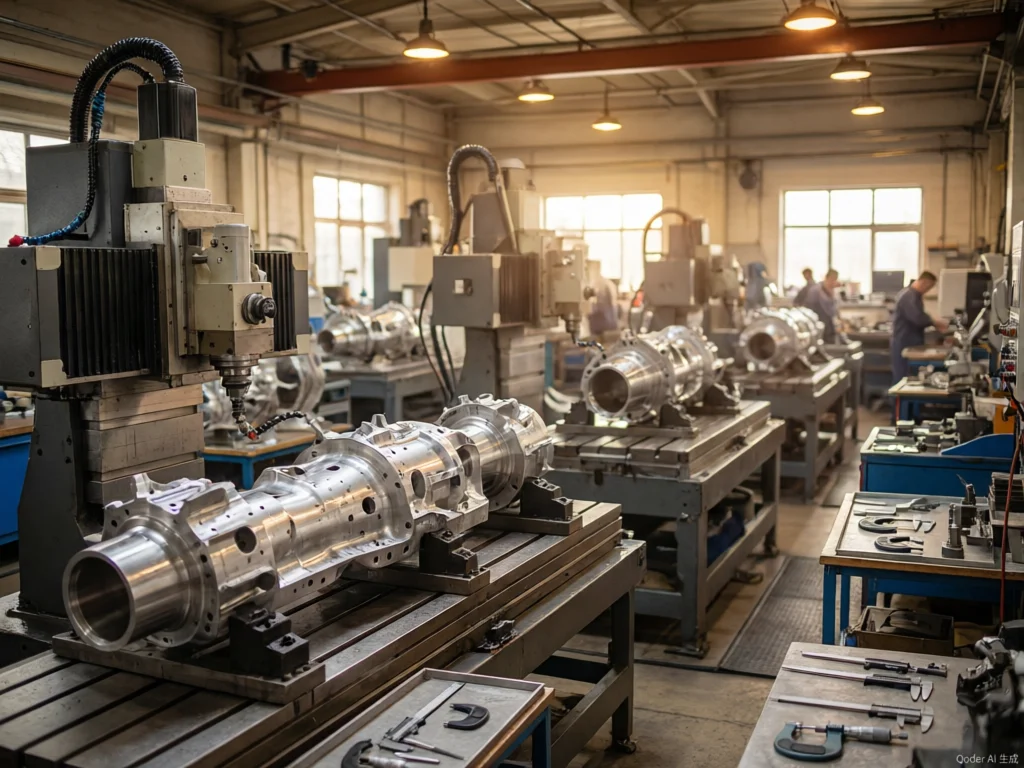
From satellite brackets that survive launch vibration to propulsion nozzles that endure extreme thermal cycling, we machine the critical components that push boundaries beyond Earth. Delivered with full traceability and AS9100D certification.
TI-6AL-4V · SATELLITE BRACKETS
According to our CNC machining knowledge base, CNC machining for aerospace provides the flexibility and precision to fabricate minute components, including spacecraft body designs. NASA and SpaceX are leading organizations that rely on precision manufacturing to create spacecraft capable of withstanding life in space.
CNC machining's role extends beyond our atmosphere into space travel and exploration. Essential for creating components that can endure harsh conditions such as extreme temperature fluctuations and radiation, CNC machining is used to fabricate space shuttle components, satellite parts, and space station modules. At CNC Works AI, we deliver precision-engineered space components with tolerances down to ±0.002mm and full inspection documentation.
Start Your Space Project →Each component is machined to MIL-spec or customer-specific requirements, with full process documentation and material traceability.
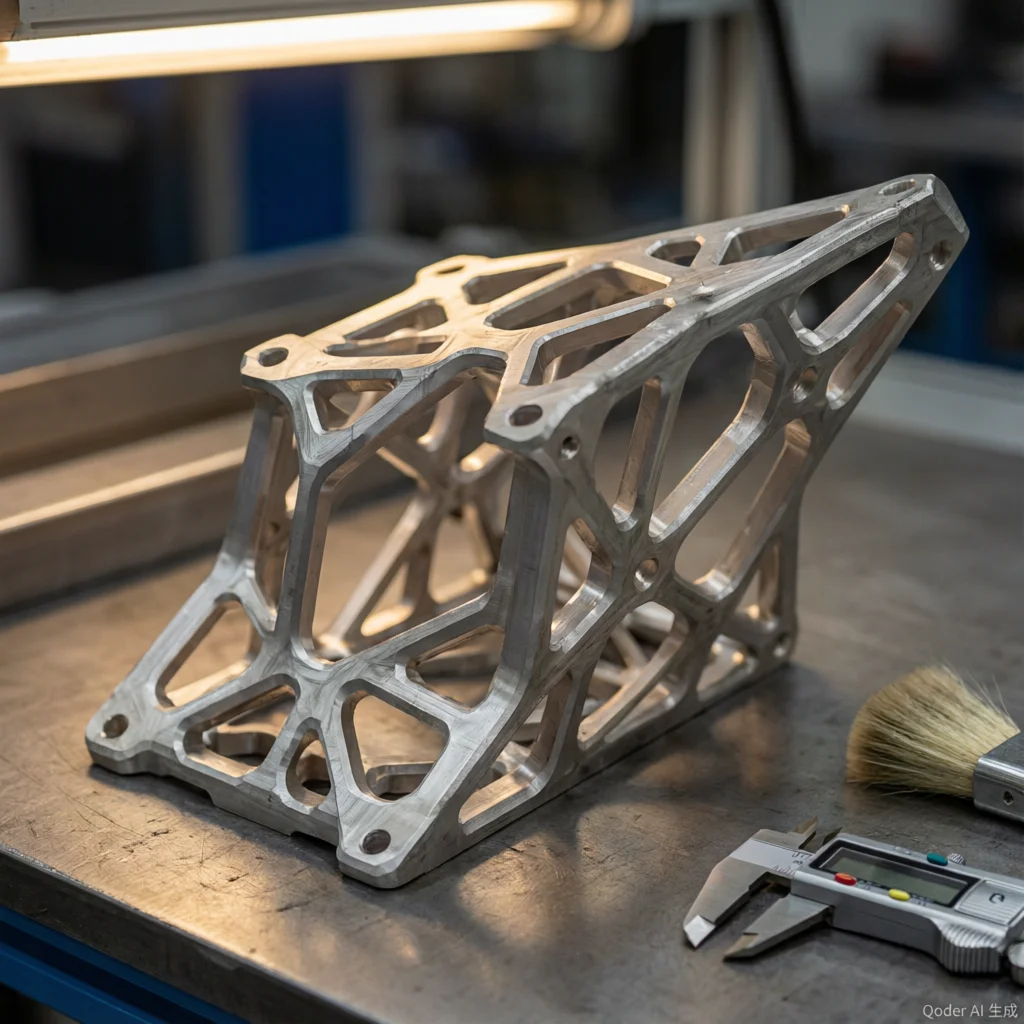
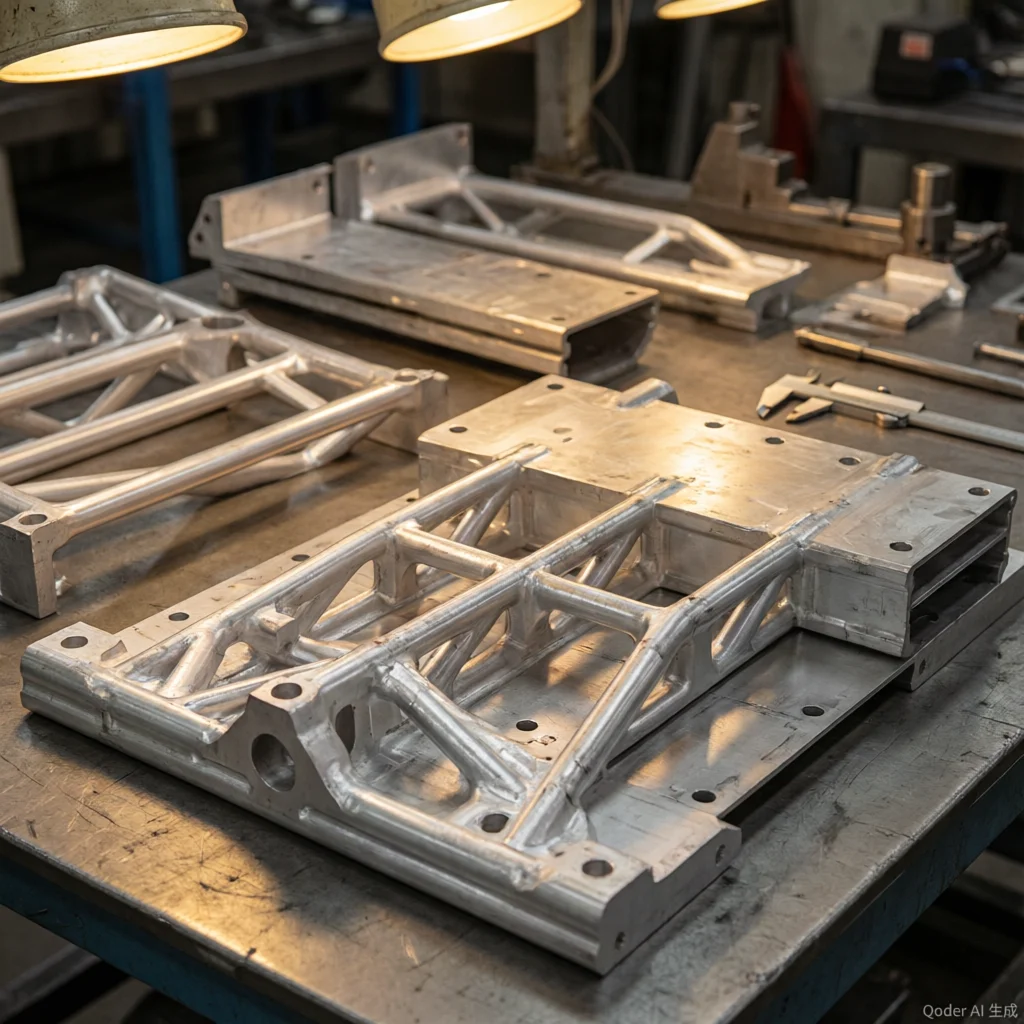
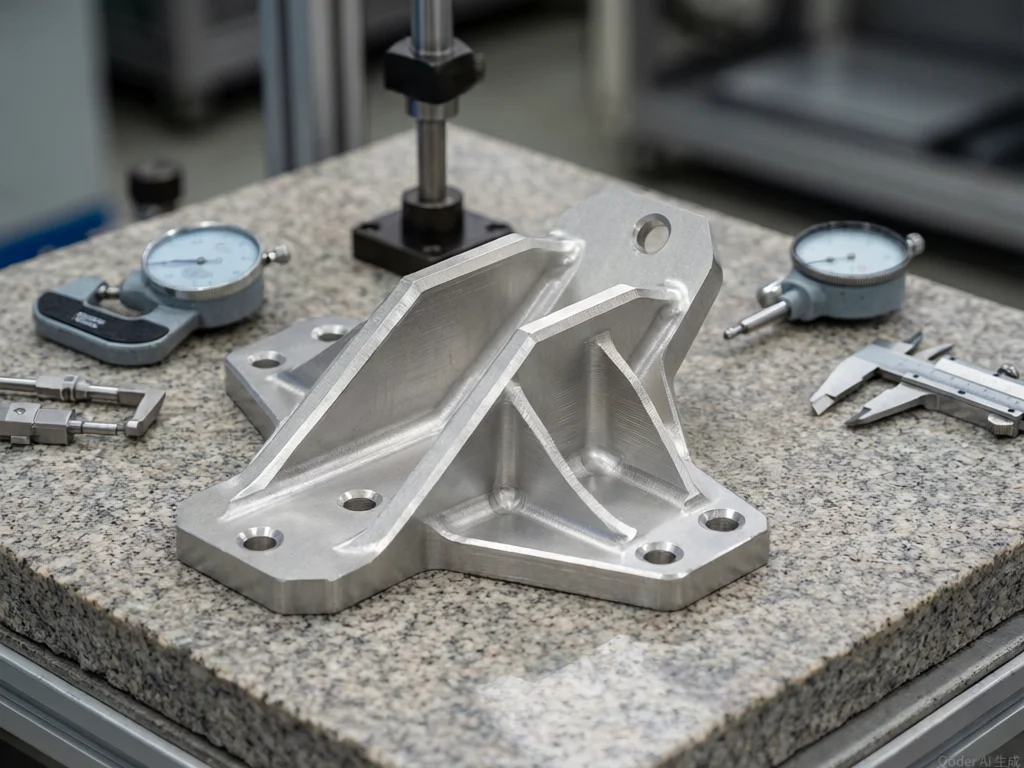
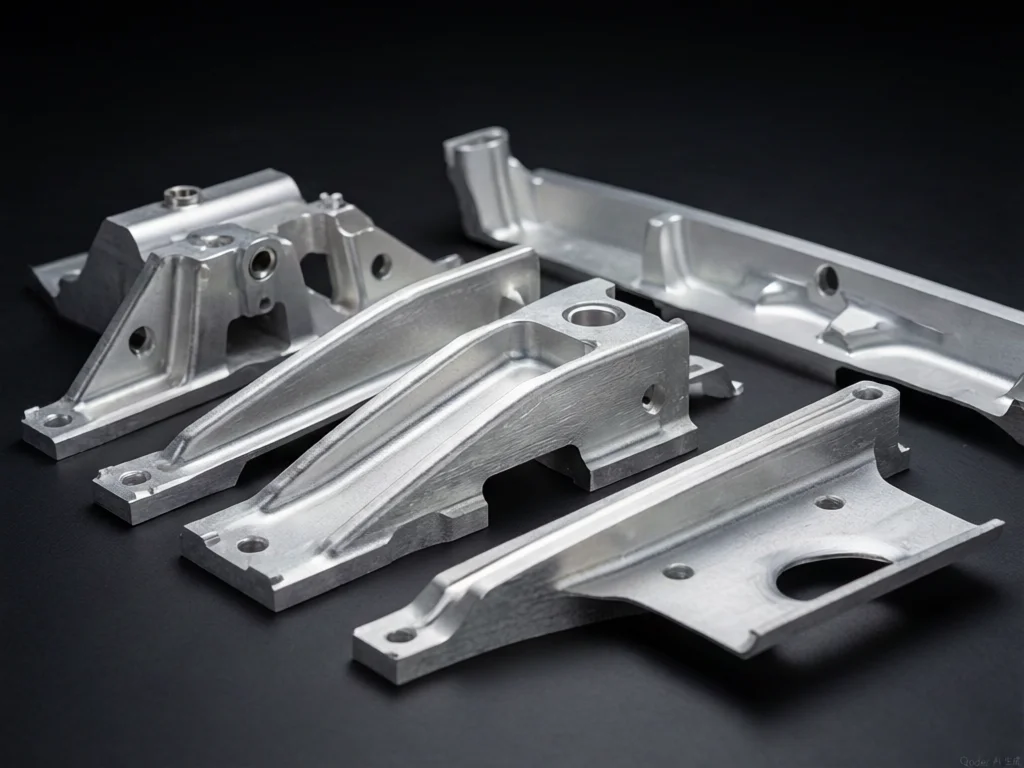
Lightweight structural brackets machined from Ti-6Al-4V with optimized lattice geometries for mass reduction.
Quote Satellite Brackets →
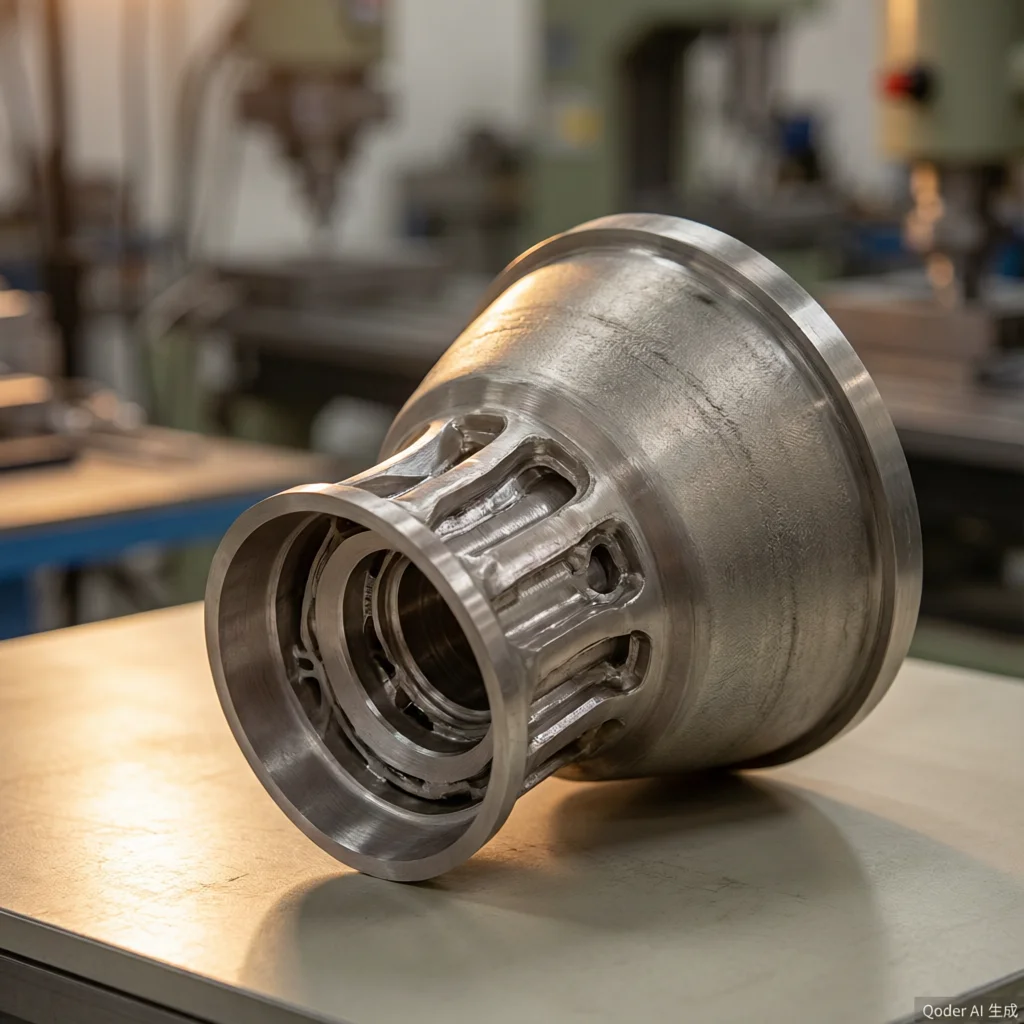
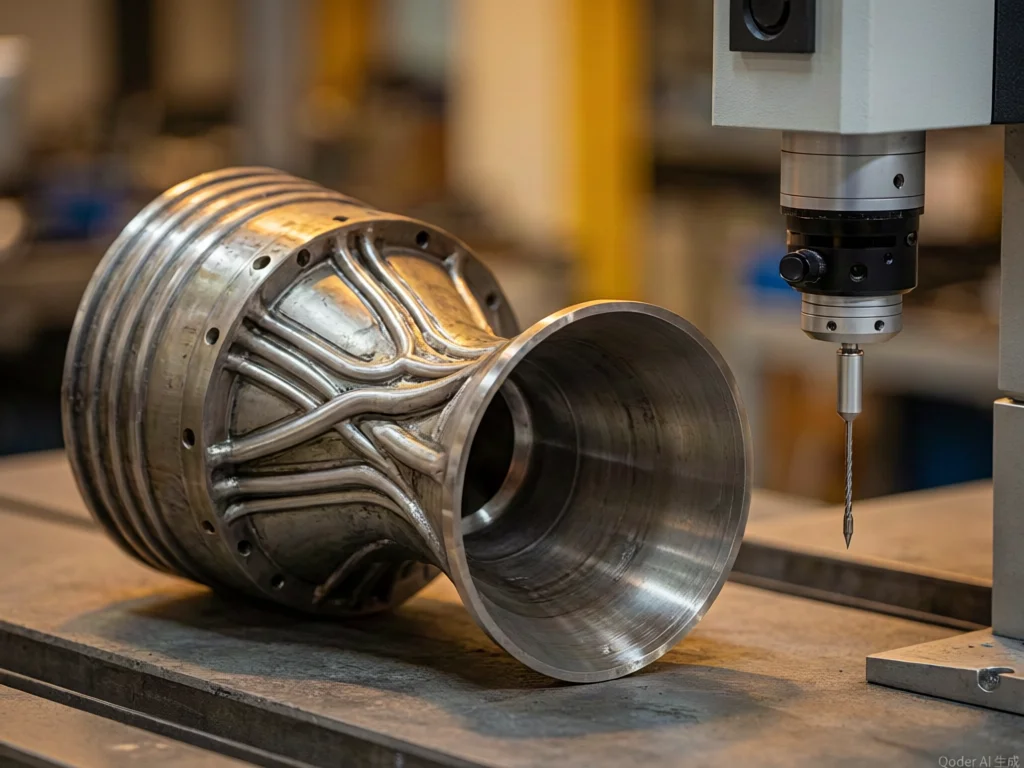
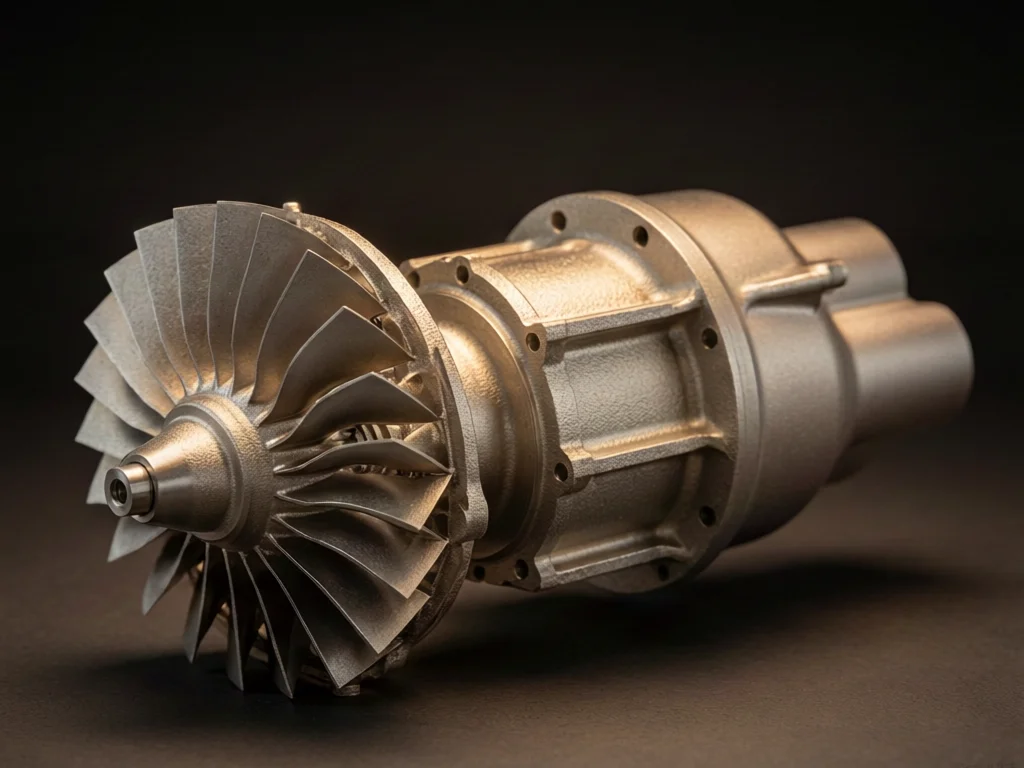
High-temperature nozzles with internal cooling channels machined from Inconel 718 for orbital maneuvering.
Quote Nozzle Program →
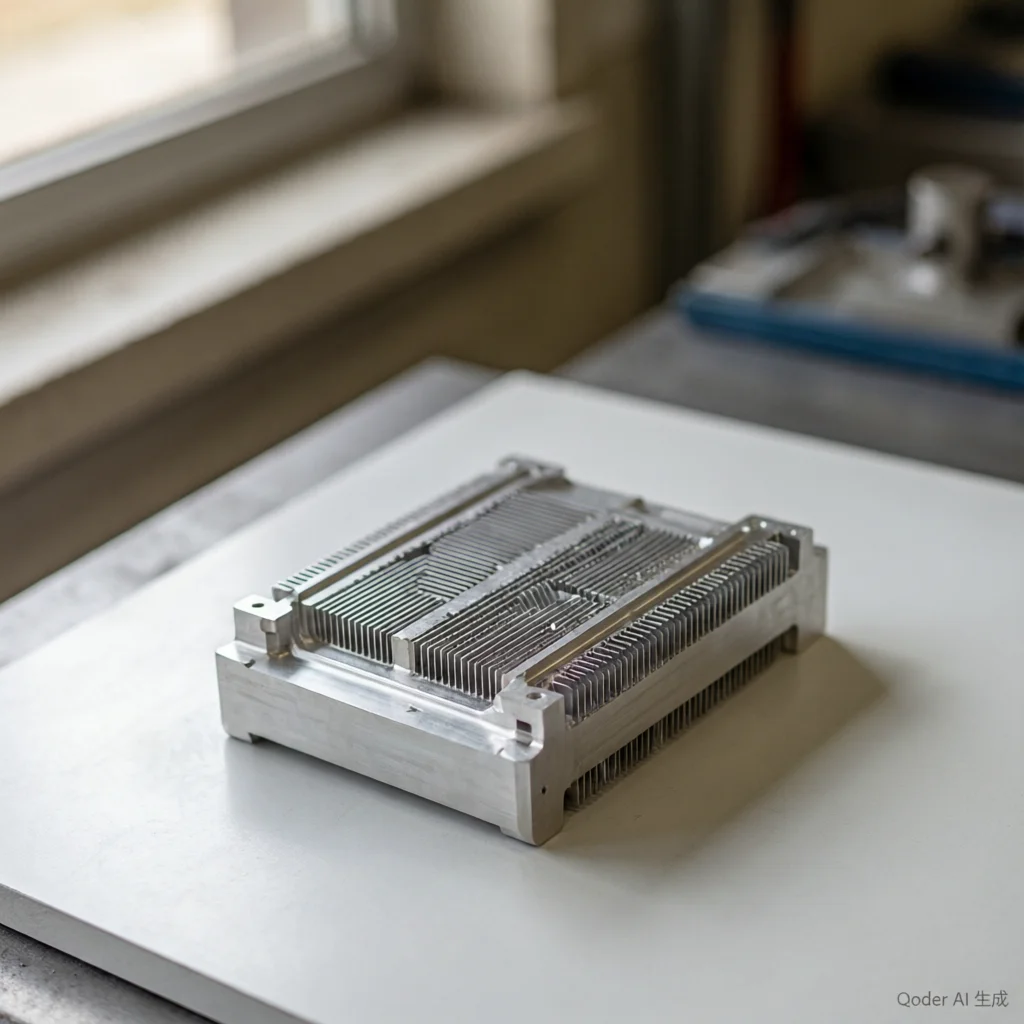
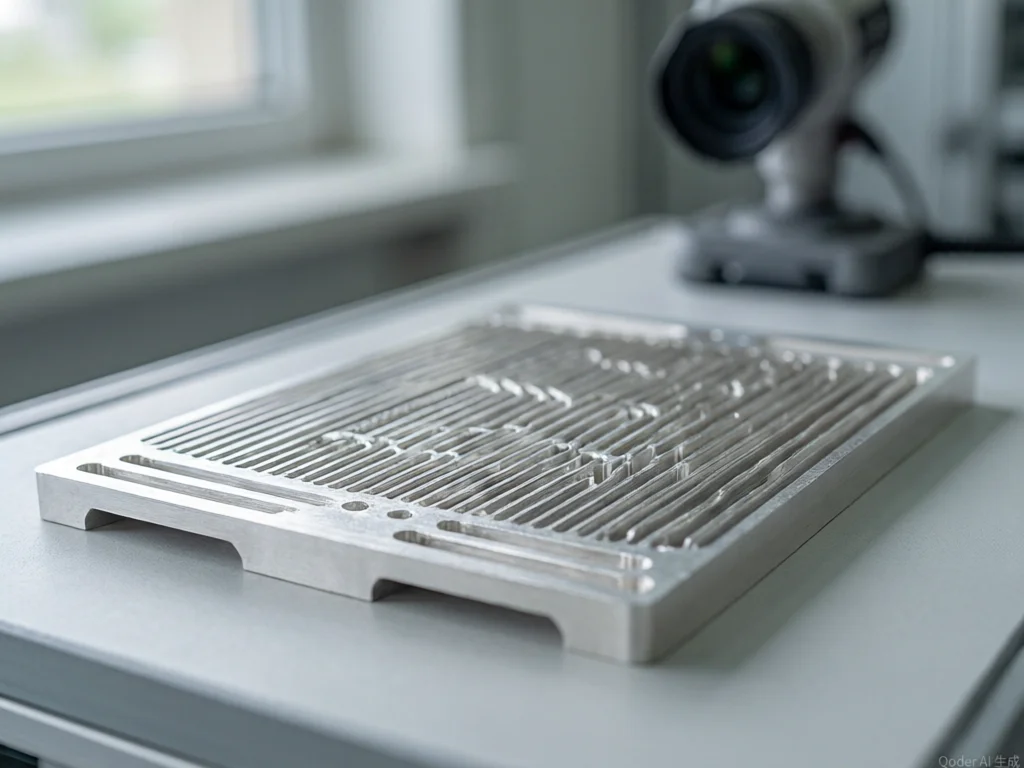
Heat exchangers and radiator panels with micro-channel arrays for active spacecraft thermal control.
Quote Thermal Components →
Primary and secondary structure components including truss nodes, splice plates, and clevis fittings.
Quote Structural Parts →
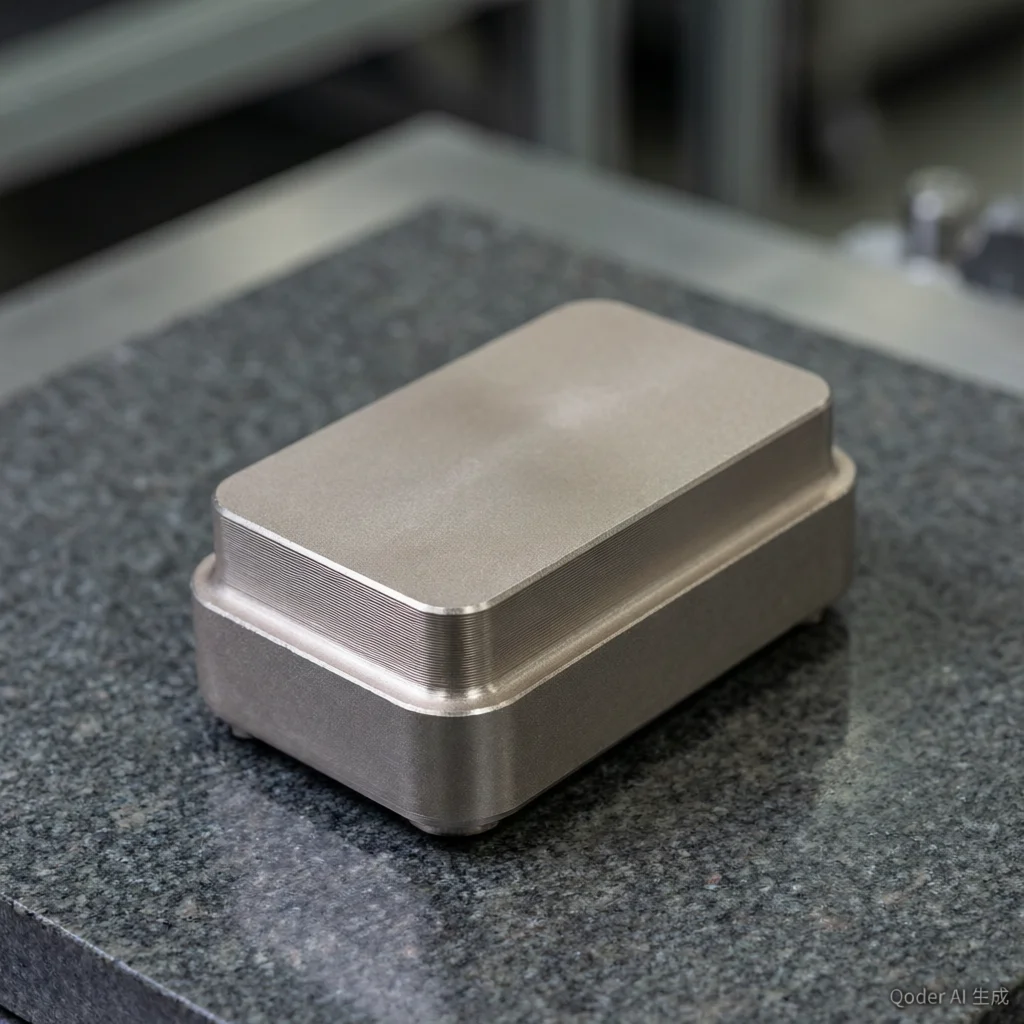
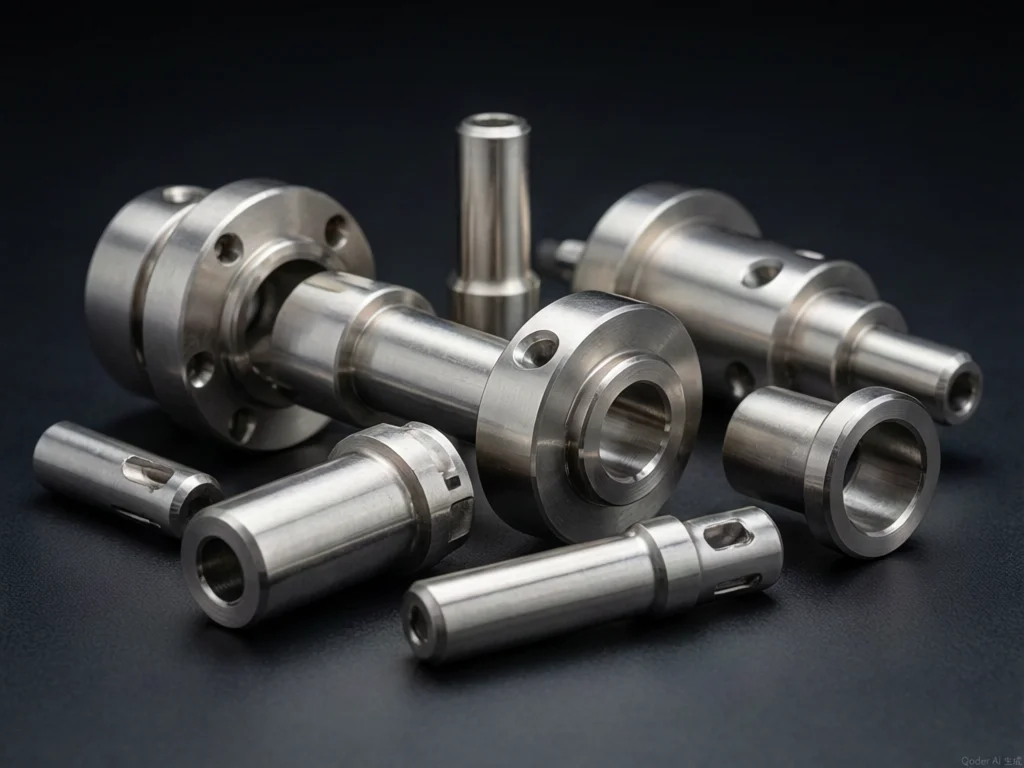
Hermetic enclosures for spectrometers and cameras with optical-bench flatness and outgassing control.
Quote Housing Program →
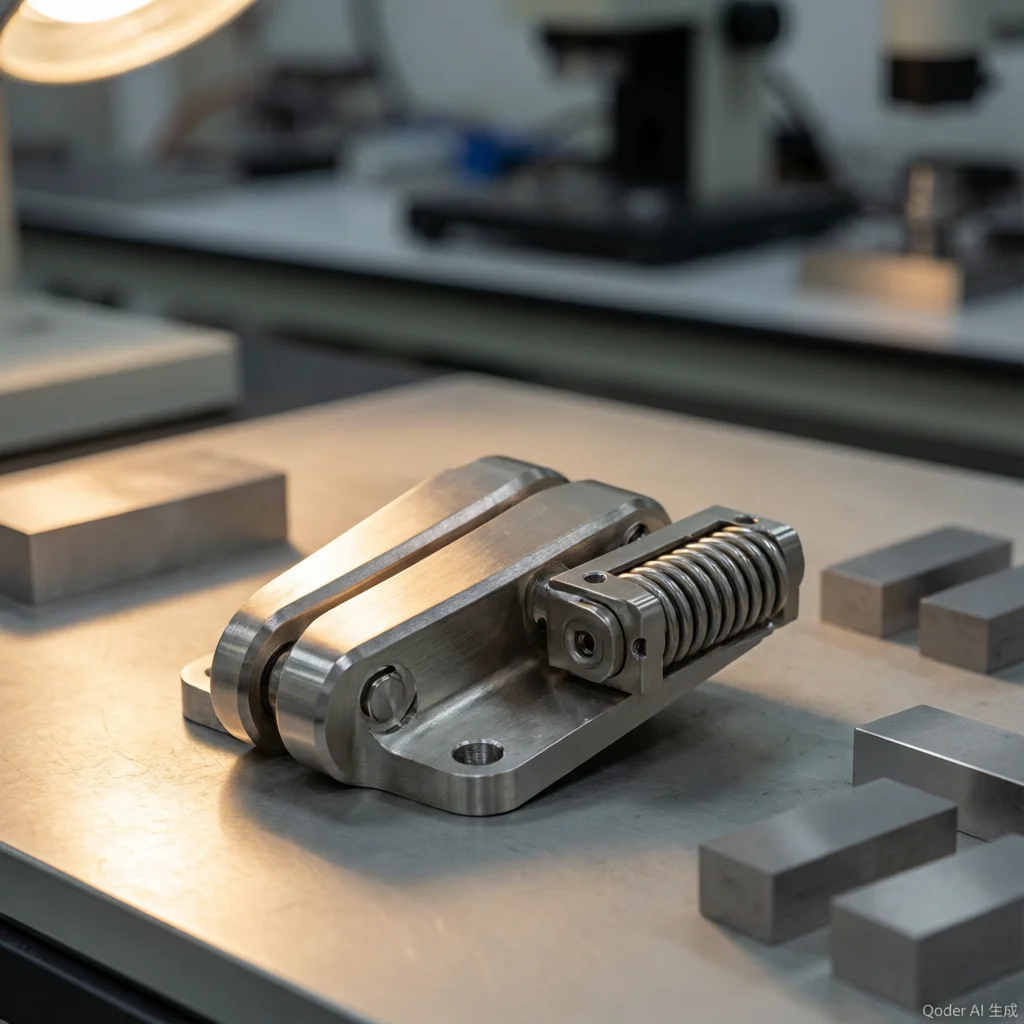
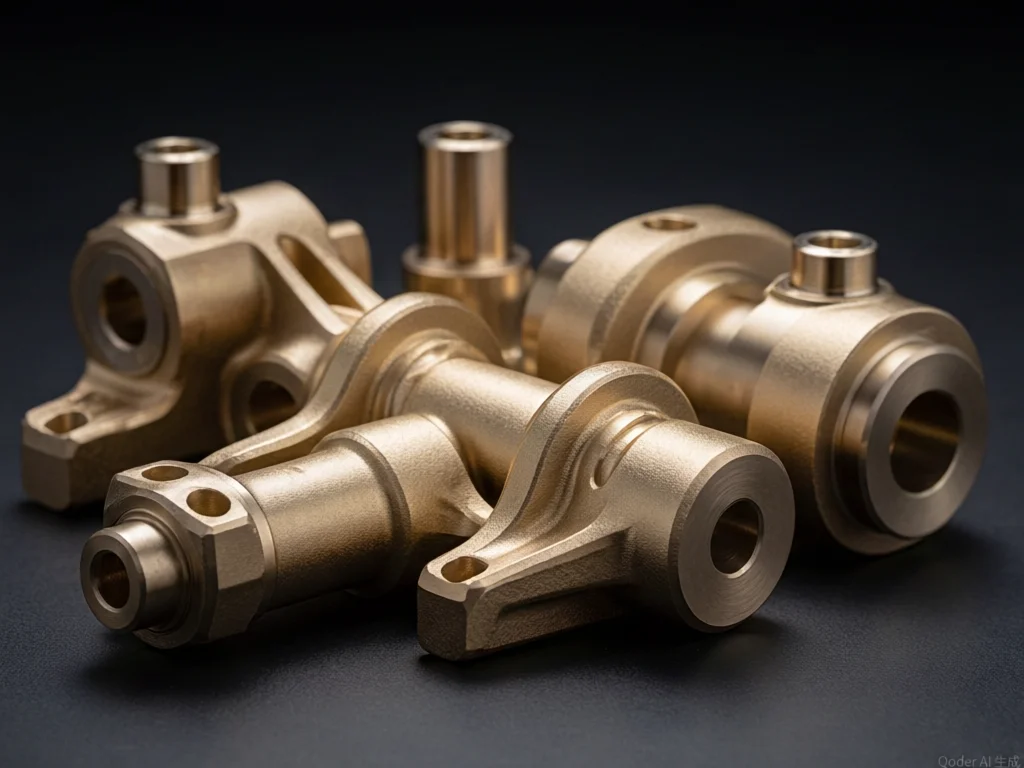
Precision hinge fittings, latch mechanisms, and spring housings for solar array and antenna deployment.
Quote Deployment Parts →Space components must survive conditions no Earth-bound part ever sees.
From +120°C in direct sunlight to −270°C in Earth's shadow. Our components are machined from materials with matched CTEs and validated through TVAC cycling to ensure dimensional stability across 15,000+ orbit cycles.
High-energy proton and electron bombardment degrades standard polymers. We machine radiation-tolerant housings from aluminum and titanium with specialized surface treatments that resist atomic oxygen erosion in LEO.
Launch vehicles impose random vibration profiles up to 14 Grms across 20–2,000 Hz. Our brackets and fittings are designed with stress-relief radii and optimized wall thicknesses, then qualified on electrodynamic shakers to NASA-STD-7003.
Every gram launched costs approximately $10,000. We apply topology-optimized geometries and thin-wall machining to 0.5mm, reducing mass by up to 40% while maintaining structural margins of safety above 1.25.
Detailed engineering data for mission-critical space components.
We machine Ti-6Al-4V titanium brackets with topology-optimized lattice features that reduce mass by up to 35% while maintaining load capacity.
Inconel 718 nozzles with regenerative cooling channels to 0.8mm wall thickness, surviving combustion temperatures exceeding 3,000°C.
Aluminum 6061-T6 micro-channel heat exchangers with channel widths to 0.3mm and fin pitch tolerances of ±0.02mm.
Every alloy is sourced from aerospace-certified mills with full mill-test reports and lot traceability.
50% lighter and 30% stronger than steel with cryogenic toughness. Ideal for brackets and structural nodes.
Explore Material →
High-temperature superalloy retaining strength to 650°C. Withstands combustion environments and thermal shock in propulsion systems.
Explore Material →
83 ksi UTS, excellent fatigue resistance. The standard for structural elements and thermal management components.
Explore Material →
High strength and hardness after H900 heat treatment. For deployment mechanisms and latch systems requiring wear resistance.
Explore Material →Complex nozzle throats, compound-angle bracket feet, and internal cooling channels machined in a single setup—tighter tolerances, fewer errors.
Learn More →Hexagon CMM with 4μm accuracy. Every space component receives rigorous geometric verification.
View Protocol →LN₂ immersion testing to −196°C validates material behavior and dimensional stability for deep-space missions.
Discuss Test Plans →DFM analysis, material selection, and mission-environment simulation completed within 24 hours.
First-article machining, FAI reporting, and TVAC qualification before production release.
AS9100D-controlled manufacturing with SPC charting, in-process CMM checks, and lot segregation.
NDT, cryo test, outgassing analysis, and CoC packaging with full traceability.
We regularly machine propellant tanks, reaction wheel housings, optical benches, and deployable boom fittings for commercial and government space programs. Send us your drawing—our engineers will respond within 4 hours.
Submit Your Drawing →According to our CNC machining knowledge base, aerospace CNC machining achieves tolerances as tight as 0.002mm. For space components, we routinely hold positional tolerances to ±0.002mm, concentricity to ±0.003mm, and surface flatness to ±0.002mm. Every part is inspected on a Hexagon coordinate measuring machine (CMM) with accuracy verification to 4 microns.
Yes. Every lot is locked to the original mill-test report (MTR) at receipt. Traceability is maintained through machining, heat treatment, surface finishing, and final packaging. A certificate of conformance (CoC) with material pedigree ships with every order, meeting AS9100D and customer-specific requirements. ITAR-controlled programs receive additional documentation controls.
Ti-6Al-4V ELI is the preferred alloy for primary satellite structures, offering 50% weight savings over steel with 30% greater strength. For secondary structures and thermal management, 7075-T6 aluminum delivers 83 ksi UTS with excellent machinability. For propulsion systems, Inconel 718 withstands temperatures to 650°C. We will recommend the optimal alloy based on your mission mass budget and thermal environment.
Yes. Our 5-axis simultaneous machining centers produce regenerative cooling channels with wall thicknesses as low as 0.8mm in Inconel 718. We use through-spindle coolant and ceramic tooling at optimized speeds to maintain surface integrity. Every nozzle throat is CMM-verified for concentricity and profile accuracy before delivery.
Yes. All polymer-adjacent processes and surface treatments are screened for outgassing per ASTM E595. Total mass loss (TML) is verified below 1.0% and collected volatile condensable materials (CVCM) below 0.10% for instrument housings and optical benches. We can provide outgassing test reports with every shipment.
First articles: 2–3 weeks. Production lots: 4–6 weeks depending on material availability and NDT requirements. For critical path items, we offer expedited programs with dedicated machine time. We maintain raw material stock for common aerospace alloys including Ti-6Al-4V, 7075-T6, and Inconel 718 to reduce procurement delays.
All structural components are designed with stress-relief radii and optimized wall thicknesses per NASA-STD-7003. We perform random vibration qualification testing up to 14 Grms across 20–2,000 Hz on electrodynamic shakers. Finite element analysis (FEA) is available to predict modal response before hardware is committed.
Yes. We are ITAR registered and maintain compliant facility access controls, document security, and personnel screening. ITAR programs receive segregated manufacturing cells, controlled access to drawings, and encrypted data transfer. Our quality system addresses ITAR requirements as part of AS9100D document control.